The Pain Recovery Collective
At the Pain Recovery Collective, we offer education and practical tools to support your own recovery journey, empowering you to take an active role in how you understand, respond to and move through persistent pain.
Chronic pain is complex. Pain may have started following an injury, trauma, surgery or medical condition, or there may have been no clear identifiable cause. Sometimes pain continues beyond expected healing times, and the nervous system can become increasingly sensitive and protective

We draw on contemporary pain science, including the growing understanding of neuroplastic pain, to help you explore what might be contributing to your persistent pain and what you may be able to do differently.
Our workshops and programmes are designed to help you become an active, informed participant in your own recovery — building confidence, reducing fear, and developing practical skills grounded in current science.
Who we are
We are Chronic Pain Recovery Practitioners who are also qualified Clinical Massage Therapists, with additional training in Pain Reprocessing Therapy and contemporary pain science.
Our shared interest is helping people understand persistent pain and develop practical ways of reducing fear, building confidence and becoming more active participants in their recovery.
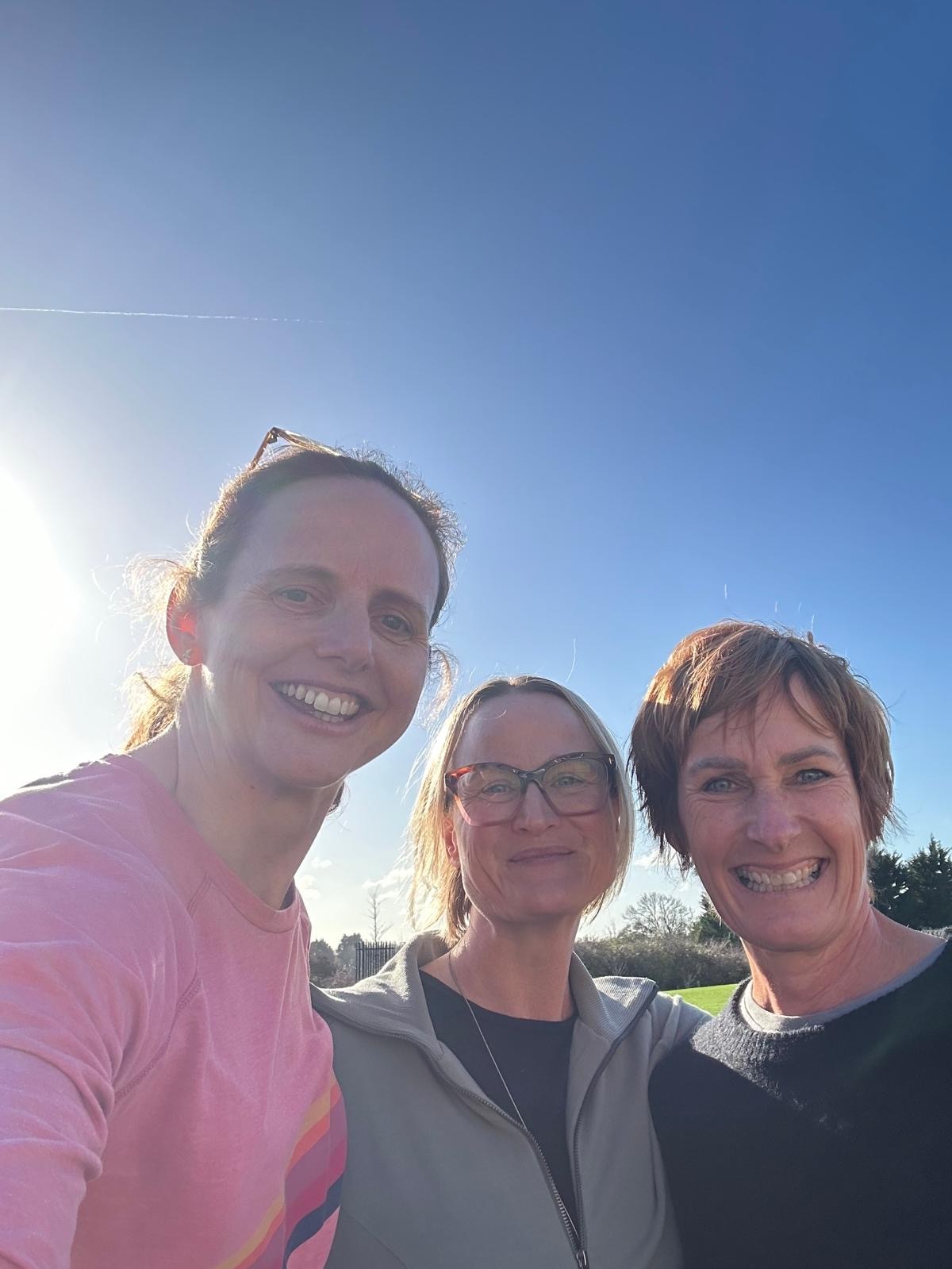
Caroline Miller
ACMT, PRT, Yoga, etc
Certified PRT practitioner and licensed therapist specializing in chronic pain, trauma, and nervous system regulation.
Emma Mitchell
ACMT, PRT, etc…
Healthcare clinician integrating pain neuroscience education and somatic practices to help clients retrain persistent pain.
Suzanne Wigmore
ACMT
Advanced Clinical Massage Therapist, Explain Pain, Personal Trainer in training
What will we explore?
We will introduce you to contemporary pain science and help you understand why pain can persist even when tissues have healed or when the level of pain being experienced cannot be fully explained by ongoing tissue damage or injury.
We will explore the possibility of neuroplastic pain — pain that is completely real, but in which learned and protective processes within the brain and nervous system may be contributing to symptoms.
Alongside the education, you will experience practical strategies drawn from pain science, Pain Reprocessing Therapy, movement and mindfulness, designed to help reduce fear around pain and build a greater sense of safety and confidence.
What will you go away with?
By the end of the introductory workshop, we want you to have:
- a clearer understanding of how pain works and why it can persist
- an understanding of what neuroplastic pain means and why it may be relevant
- practical tools you can begin using yourself
- greater awareness of the relationship between pain, fear, attention, behaviour and the nervous system
- ways of beginning to approach movement and symptoms with greater curiosity and confidence
- clear next steps for continuing to explore your recovery
Ultimately, our aim is to help you become a compassionate agent of change in your own recovery — better informed, less fearful and more confident about the possibilities available to you.

Is this workshop right for you?
Our introductory workshop is designed for people living with persistent or chronic pain. You may recognise feeling caught in a cycle of pain, fear, frustration and reduced activity, or have become less confident about what your body can safely do.
You do not need to have been diagnosed with neuroplastic pain to attend.
You may also have a diagnosed medical condition or findings on scans. This does not necessarily mean the workshop cannot be helpful. Persistent pain can be influenced by multiple factors, and the education and strategies we teach may still help you understand your pain experience, reduce its impact and develop greater confidence in your body.
Medical disclaimer
The Pain Recovery Collective provides education and practical self-management strategies. We do not provide medical diagnosis or treatment.
If you have new, changing or unexplained symptoms, or an underlying health condition that requires investigation or treatment, we encourage you to seek advice from an appropriate medical professional.
If you already have a diagnosed medical condition, you should continue to follow the advice and treatment recommendations of your healthcare professionals. Having an underlying condition does not necessarily prevent you from benefiting from pain education and the strategies taught within our workshops.
Our role is to help you better understand your pain experience and introduce neuroplastic mechanisms as one possibility to explore, not to determine the medical cause of your symptoms.
 painrecoverycollective.com